You Won’t Believe What Korea’s Hidden Coastline Hides
Tucked away just outside Seoul, Incheon isn’t just an airport stop—it’s a gateway to something wild and unexpected. Jagged rock formations, tidal flats that stretch like ancient manuscripts, and islands carved by centuries of wind and water—Incheon’s geological wonders are quietly mind-blowing. I went searching for scenery and found a whole new side of Korea. If you're into landscapes that feel untouched and real, this is your sign to explore deeper. Far from the polished storefronts of the city, the coastline here reveals a raw, breathing world shaped by natural forces few ever witness. This is not just a trip—it’s a journey into the quiet pulse of the Earth itself.
Why Incheon? Beyond the Transit Hub
Incheon has long been dismissed as a mere transit point, a blur of terminals and departure gates for travelers rushing to Seoul or beyond. Yet beneath this functional reputation lies a landscape of extraordinary depth and quiet beauty. Situated on the western coast of South Korea, where the Yellow Sea meets the mainland, Incheon occupies a unique ecological and geological crossroads. Its location along a wide tidal range—among the most extreme in Northeast Asia—creates conditions for dramatic coastal transformation twice a day. As tides recede, vast stretches of seabed emerge, revealing textures and patterns that few urban-adjacent regions can match.
What makes Incheon exceptional is not just its proximity to a global city, but its ability to feel worlds apart. Just 30 kilometers from Seoul’s bustling center, you can stand on a windswept shore where silence reigns and the only movement comes from the slow creep of water over stone. This contrast—between metropolitan life and primal coastline—is part of Incheon’s quiet magic. The region’s geology has been shaped by millennia of sediment deposition, tidal erosion, and tectonic stability, resulting in layered rock beds, exposed fossil traces, and expansive mudflats that pulse with microbial and marine life.
Accessibility enhances its appeal. Unlike remote national parks requiring days of travel, Incheon’s most striking natural sites are reachable by public transit, ferry, or short drives. This ease of access, combined with low visitor density compared to more famous Korean destinations, makes it ideal for travelers seeking authenticity without sacrificing convenience. Families, solo adventurers, and nature enthusiasts alike can experience a side of Korea that remains under the radar—not because it lacks wonder, but because its beauty speaks in whispers rather than shouts.
The Magic of the Tidal Flats: Nature’s Living Canvas
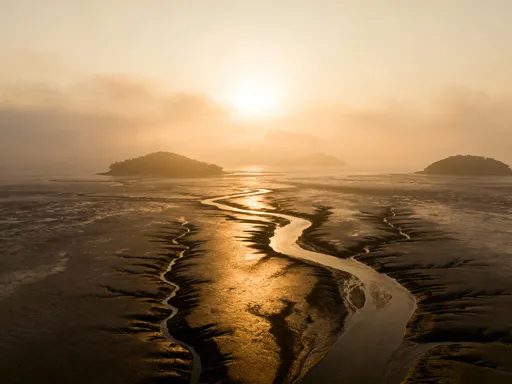
At the heart of Incheon’s coastal wonder lies the getbol, or tidal flat—an ecosystem so rich and rare that parts of it have earned UNESCO World Heritage status. These vast, flat expanses of mud and sand are exposed during low tide, transforming the shoreline into a living canvas etched with delicate channels, ripples, and the subtle tracks of hidden creatures. To walk across a tidal flat is to step onto a surface that breathes, shifts, and sustains life in ways invisible to the untrained eye. The mud itself is alive—home to billions of microorganisms, clams, crabs, and worms that form the foundation of a much larger food web.
The ecological significance of these flats cannot be overstated. They act as natural water purifiers, filter sediments, and serve as critical stopover points for migratory birds traveling the East Asian-Australasian Flyway. Each year, tens of thousands of shorebirds—sandpipers, plovers, and endangered spoon-billed sandpipers—rest and feed here, relying on the nutrient-rich mud to sustain their long journeys. The flats also preserve a record of environmental change; layers of sediment capture historical shifts in sea level, climate, and human activity, offering scientists a slow-unfolding archive of coastal history.
For visitors, the best way to experience the tidal flats is through guided eco-tours offered by local conservation groups. These programs ensure minimal environmental impact while providing expert insights into the ecosystem’s workings. The optimal time to visit is during spring and autumn, when migratory birds are present and temperatures are mild. Early morning visits, timed with the lowest tides, offer the most dramatic views and the best conditions for photography and quiet reflection. Visitors are advised to wear waterproof boots, as the mud can be deep and slippery, and to follow all posted guidelines to protect this fragile environment.
Wolmido & Eulwangni: Urban Meets Unusual Terrain
Just a short distance from Incheon’s city center, Wolmido Island and Eulwangni Beach offer a fascinating blend of urban accessibility and natural drama. Once a quiet retreat, Wolmido has evolved into a cultural and recreational hub, yet it retains a rugged coastal edge that surprises many visitors. During high tide, the shoreline appears unremarkable—gentle waves lapping at a modest beach. But when the water retreats, a hidden world emerges: wave-cut platforms stretch outward like stone terraces, their surfaces pockmarked with tidal pools and fissures shaped by centuries of erosion.
Eulwangni Beach, located nearby, presents a similar transformation. At low tide, the receding sea reveals broad, flat rock beds that glisten under the sun, creating a surreal, almost lunar landscape. These platforms, formed by the slow grinding action of waves against bedrock, offer safe and stable ground for walking and exploration. Children delight in discovering small crabs and snails in the pools, while photographers capture the interplay of light, water, and texture across the stone. The contrast between the urban skyline in the distance and the primal geology underfoot is striking—a reminder that nature persists even at the edges of modern life.
Both locations are easily accessible by subway and bus, making them ideal for day trips. Cafes, rest areas, and small markets line the approach, offering refreshments and local snacks. To maximize the experience, visitors should consult tidal charts before arriving—ideally planning their visit two hours before or after low tide, when the platforms are fully exposed but still moist enough to reflect the sky. Weekday visits are recommended to avoid weekend crowds, allowing for a more peaceful and immersive encounter with the landscape.
Sondek Island: A Geological Gem Off the Radar
Further afield, Sondek Island—part of the Dalmaji coastal area—remains one of Incheon’s best-kept secrets. Reached by a short ferry ride from the mainland, this small island offers some of the most dramatic geological features in the region. Its cliffs are composed of layered sedimentary rock, tilted at sharp angles, telling a story of ancient seabeds lifted and folded by tectonic forces. Over time, wind and water have sculpted these layers into jagged ridges, deep clefts, and sea caves that invite exploration and wonder.
Hiking trails wind along the island’s perimeter, offering panoramic views of fractured cliffs and the endless expanse of the Yellow Sea. At certain vantage points, the rock formations resemble giant stone books, their pages cracked and weathered by time. Tidal pools nestled at the base of the cliffs teem with marine life—bright green seaweed, darting fish, and starfish clinging to submerged rocks. The island’s isolation ensures a sense of solitude rare in a country known for its dense population and popular tourist trails.
Facilities on Sondek Island are minimal, preserving its unspoiled character. A small visitor center provides basic information and safety guidelines, and restrooms are available near the ferry dock. The paths can be slippery, especially after rain or during tidal changes, so sturdy footwear with good grip is essential. The ferry runs on a seasonal schedule, with more frequent departures during spring and summer. For those seeking a deeper connection with the land, a visit to Sondek Island offers not just scenery, but a tangible sense of geological time—where every rock feels like a page from Earth’s long history.
Dongmak Beach: Where Wind and Water Sculpt Stone
Dongmak Beach stands as a masterpiece of natural sculpture, where relentless coastal forces have shaped stone into forms that seem almost otherworldly. Located on the northern edge of Incheon’s coastline, this secluded beach is renowned for its twisted rock formations—some resembling arches, others like frozen waves caught mid-motion. These shapes are the result of differential erosion: softer layers of rock wear away faster than harder ones, creating overhangs, tunnels, and undulating surfaces that shift in appearance with the light.
The best time to visit is at sunrise, when golden rays illuminate the weathered stone, casting long shadows and highlighting the intricate textures carved by wind and salt spray. The contrast between the warm hues of the rock and the cool gray of the sea creates a painterly effect, making Dongmak a favorite among photographers and artists. The sound here is minimal—just the distant crash of waves and the soft rustle of seaweed—and the air carries the crisp, clean scent of the ocean.
Exploring the beach requires caution. The rocks are often slick with algae, and tidal changes can cut off access to certain areas. Visitors should check tide schedules carefully and avoid venturing onto isolated outcrops that may become surrounded by water. Proper footwear with excellent traction is a must, and carrying a small backpack with water, a light snack, and a camera can enhance the experience. Because Dongmak is less known than other coastal spots, it remains uncrowded, allowing for moments of solitude and quiet contemplation. It is a place to slow down, breathe deeply, and witness the quiet artistry of nature’s hand.
How to Experience Incheon’s Terrain Like a Local
To truly appreciate Incheon’s coastal wonders, it helps to travel with intention and preparation. The region’s dispersed sites call for thoughtful planning, but the rewards are well worth the effort. Public transportation offers a reliable and affordable way to reach many locations—subway Line 1 connects central Seoul to Incheon, with bus transfers available to Wolmido, Eulwangni, and nearby ferry terminals. For greater flexibility, renting bicycles or using ride-sharing apps can make it easier to navigate between sites, especially along the scenic coastal roads.
A well-designed day trip might include a morning visit to the tidal flats, followed by lunch at a local seaside market, then an afternoon exploring Sondek Island or Dongmak Beach. Combining two or three sites in one journey allows travelers to witness the diversity of Incheon’s geology—from soft mud to jagged stone—within a single day. Apps such as Korea Tides or Naver Maps provide accurate, real-time updates on tidal schedules, ensuring that visits align with low tide for maximum exploration potential.
Packing wisely enhances comfort and safety. Waterproof hiking shoes or rubber boots are essential for navigating mudflats and slippery rocks. A lightweight rain jacket, sun protection, and a reusable water bottle support sustainable travel. Carrying a small notebook or journal allows visitors to record observations, sketch rock patterns, or jot down reflections—a simple practice that deepens the connection to place. Local cafes and rest stops, often family-run, offer warm drinks, fresh seafood pancakes, and friendly conversation, adding a human touch to the natural experience.
Respecting the Land: Sustainable Exploration
As interest in Incheon’s coastal landscapes grows, so does the responsibility to protect them. These ecosystems are fragile, shaped by slow natural processes that can be disrupted by even minor human interference. Stepping off marked paths, removing shells or rocks, or leaving behind waste can have lasting consequences. The tidal flats, in particular, are sensitive to pollution and physical damage—once disturbed, their recovery can take years.
Responsible tourism begins with awareness. Staying on designated trails, avoiding contact with wildlife, and carrying out all trash are simple but powerful acts of care. Visitors should refrain from feeding animals or introducing foreign objects into the environment. Using reusable containers and minimizing plastic helps reduce pollution that can wash into the sea. Many local organizations offer volunteer opportunities for beach cleanups or educational programs, allowing travelers to give back in meaningful ways.
Community-led conservation efforts are already making a difference. In areas like the getbol, local guides and environmental groups work together to monitor biodiversity, restore habitats, and educate the public. By choosing eco-certified tours and supporting local businesses that prioritize sustainability, travelers contribute to the long-term health of these landscapes. Protecting Incheon’s coastline is not just about preserving scenery—it’s about honoring a living system that sustains both nature and culture.
More Than Just Rocks and Tides
Incheon’s hidden coastline offers more than geological spectacle—it invites a different way of seeing. In a world that often values speed and spectacle, these quiet shores remind us of the beauty in slowness, in subtlety, in the unnoticed. There are no grand monuments here, no crowds jostling for selfies. Instead, there is space—space to walk, to wonder, to feel small in the best possible way. Each tide reveals a new chapter of Earth’s story, written in mud, stone, and light.
This is travel with depth, where the journey becomes a form of quiet reverence. To explore Incheon’s coast is to discover that wonder doesn’t always require far-flung destinations or exotic labels. Sometimes, it’s found just beyond the airport, in the hush between waves, in the texture of a rock worn smooth by time. For those willing to look closely, to listen, to tread gently, Korea’s western shore offers a rare gift: the chance to connect with nature not as a spectator, but as a humble witness to its enduring grace. Let this be your invitation to explore deeper, slower, and with open eyes.