You Won’t Believe What I Ate in Cebu—This Changed Everything
Cebu isn’t just beaches and sunsets—it’s a flavor explosion waiting to happen. I went looking for paradise and found something better: real food, real people, real moments. From sizzling street stalls to family-run carinderias, every bite told a story. I didn’t just taste the local cuisine—I lived it. This is more than a meal. It’s connection, culture, and pure joy on a plate. What began as a simple island getaway turned into a profound journey through taste, tradition, and human warmth. In Cebu, food is not an afterthought—it’s the heartbeat of daily life, the thread that binds generations, and the most honest welcome a traveler can receive.
Arrival in Cebu: First Impressions Beyond the Postcards
The moment I stepped off the plane at Mactan-Cebu International Airport, the tropical humidity wrapped around me like a warm embrace. But before I even reached the baggage claim, another sensation took over—the rich, smoky aroma of roasting meat drifting through the open-air terminal. It wasn’t from a restaurant or a food court. It was simply part of the air, a natural extension of Cebu’s identity. The scent of lechon, the island’s legendary roasted pig, lingers everywhere, a constant invitation to eat, to celebrate, to belong.
Cebu City, the urban core of this sprawling island province, doesn’t present itself as polished or picture-perfect. Instead, it pulses with life—motorized tricycles weaving through traffic, children laughing on street corners, and the rhythmic call of vendors announcing their wares. Amid the bustle, food is omnipresent. Sari-sari stores—small neighborhood convenience shops—line every block, their shelves stocked with brightly colored snacks, sweetened sodas, and instant noodles. But it’s the makeshift street kitchens that truly capture the spirit of Cebu. By late afternoon, sidewalks transform into open-air dining halls, where plastic stools appear like magic and the sizzle of grills signals the start of the day’s most important ritual: eating together.
What struck me most was how naturally food integrates into daily rhythms. There are no rigid meal times, no separation between dining and living. A man on a break from work shares a plate of grilled fish with his coworkers on a curb. A grandmother hands her grandchild a skewer of marinated meat fresh off a roadside spit. Food is currency, comfort, and community—all in one. This seamless blend of life and cuisine sets Cebu apart from more tourist-driven destinations, where meals are often performances for visitors. Here, you don’t watch culture—you taste it, one spontaneous bite at a time.
Lechon: More Than a Dish, It’s a Cultural Icon
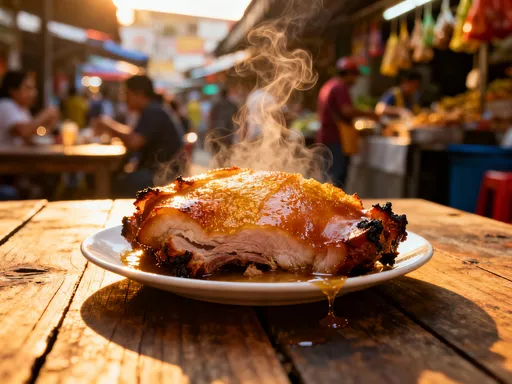
If Cebu has a culinary crown, it belongs to lechon. This isn’t just roasted pig—it’s a masterpiece of fire, flavor, and tradition. Unlike other versions found across the Philippines, Cebu’s lechon is celebrated for its crisp, golden-brown skin that crackles like thin glass when cut, and its moist, herb-infused meat that carries a delicate blend of lemongrass, garlic, pepper, and local spices. The secret lies in the slow roasting over charcoal, often for several hours, with constant basting and careful attention to heat distribution. The result is a dish that’s both festive and deeply rooted in everyday celebration.
While tourists may flock to famous establishments like RL or House of Lechon, the true essence of this dish lives in neighborhood roasting pits and family-run eateries tucked between residential homes. I was fortunate to be invited to a midday gathering in a quiet barangay, where a whole pig had been roasting since dawn for a child’s baptism. The atmosphere was joyful and unhurried—children played nearby, elders shared stories, and the air was thick with anticipation. When the lechon was finally carved, the first slices were offered to the elders and the priest, a gesture of respect and gratitude.
What made this experience unforgettable wasn’t just the taste—though the contrast of crispy skin and tender, aromatic meat was extraordinary—but the sense of occasion it created. Eating lechon in Cebu is never just about satisfying hunger. It’s an act of communion, a way of marking life’s milestones, big and small. Whether it’s a birthday, a homecoming, or simply a Sunday family lunch, lechon brings people together. It’s a dish that demands sharing, laughter, and gratitude—ingredients just as essential as the herbs stuffed inside the pig.
Street Food Adventures: Eating Like a True Cebuano
To understand Cebu’s soul, you must eat where the locals eat—on the street, perched on a plastic stool, with no menu and no reservations. The city’s street food culture is vibrant, democratic, and deeply social. Night markets like Carbon Market and Taboan come alive as the sun sets, transforming into bustling corridors of sizzling grills, steaming pots, and colorful displays of local delicacies. The air is thick with the scent of charred meat, fermented fish, and caramelized sugar—a sensory overload that is both thrilling and comforting.
For the adventurous eater, Cebu offers a range of bold flavors and textures. Proben, or grilled chicken innards, are a popular choice—crispy on the outside, tender within, often served with a tangy vinegar dip. Isaw, skewered and grilled chicken intestines, are another favorite, prized for their smoky flavor and satisfying chew. Then there’s betamax, so named because the cubed, grilled blood cubes resemble old video tapes. Served hot off the grill with a sprinkle of salt and spice, it’s rich, earthy, and surprisingly addictive.
And for the truly daring, there’s balut—a fertilized duck egg with a partially developed embryo inside. While not exclusive to Cebu, it holds a special place in Filipino street food culture. Eating balut is as much about the experience as the taste. Cracking the shell, sipping the warm broth, then biting into the mix of textures—it’s a moment of courage, curiosity, and connection. What’s remarkable is how clean and organized these street food hubs are. Vendors take pride in their stalls, many using fresh ingredients sourced daily, and hygiene is taken seriously despite the informal setting. Eating on the street here isn’t a risk—it’s a rite of passage.
Hidden Eateries: The Best Meals I Didn’t Plan
Some of the most memorable meals in Cebu aren’t found in guidebooks or on food blogs—they happen by accident, born from a smile, a gesture, or a simple “Come, join us.” One such moment led me to a tiny, unmarked stall near the harbor, where a group of fishermen and their families gathered around a large wok bubbling with a mysterious, creamy stew. This was tuslob buwa, a dish so local it’s rarely mentioned outside Cebu. The name refers to the bubbles that form on the surface of the cooking oil and brain mixture—a combination that sounds daring but tastes deeply savory and rich.
At the center of the experience was puso, intricately woven rice packets hung from strings above the table. Diners would tear off a piece, dip it into the bubbling pot, and eat it immediately—hot, flavorful, and communal. There were no plates, no utensils, just hands, laughter, and the shared rhythm of dipping and eating. I was handed a puso by an elderly woman who simply nodded and smiled. No words were needed. In that moment, I wasn’t a visitor—I was part of the meal, part of the moment.
Another unplanned discovery came in Mactan, on a quiet stretch of coastline where a family runs a no-name seafood shack. With tables made of driftwood and chairs fashioned from fishing crates, it looked like it could vanish with the tide. But the food was extraordinary. The kinilaw, a Cebuano-style ceviche made with fresh tuna, vinegar, ginger, and coconut milk, was bright, tangy, and alive with ocean flavor. The fish had been caught that morning, and the coconut milk was freshly grated. Eating it under a thatched roof, with the sound of waves and the smell of salt in the air, felt like the purest form of dining—simple, honest, and deeply connected to place.
Breakfast Like a Local: Starting the Day with Bold Flavors
In Cebu, the day doesn’t begin with coffee and toast—it starts with bold, hearty flavors that fuel both body and spirit. By 5:30 a.m., community markets are already buzzing with activity. Fishmongers arrange glistening catches on ice, farmers display baskets of tropical fruits, and steam rises from pots of simmering porridge. This is where locals begin their morning, not with a rush, but with intention. Breakfast here is not a quick bite—it’s a ritual, a time to gather, to eat well, and to prepare for the day ahead.
One of the most beloved morning dishes is champorado, a sweet chocolate rice porridge that might seem unusual to Western palates—especially when paired with tuyo, a salty dried fish. But this sweet-and-salty combination is a hallmark of Filipino taste, balancing richness with sharpness. The porridge is thick, warm, and comforting, often made with native cocoa and coconut milk. Served alongside crispy tuyo, it creates a contrast that awakens the senses and satisfies the stomach.
Another breakfast staple is tapsilog—a portmanteau of tapa (cured beef), itlog (egg), and sinangag (garlic fried rice). Found in nearly every diner and home kitchen, it’s a dish that embodies Cebuano resourcefulness and flavor. The beef is marinated overnight in soy sauce, garlic, and sugar, then pan-fried until tender. The egg is cooked sunny-side up, its yolk pooling into the fragrant rice. Eating tapsilog at a neighborhood carinderia, surrounded by workers, students, and elders, gives a real sense of how food anchors daily life. Skipping breakfast in Cebu isn’t just a missed meal—it’s a missed opportunity to connect with the rhythm of the city.
Cooking with Locals: A Hands-On Taste of Tradition
One of the most transformative experiences of my trip was spending an afternoon in a Cebuano home kitchen, learning to cook alongside a local family. There were no fancy appliances, no stainless steel counters—just a simple gas stove, a few worn pots, and a deep knowledge passed down through generations. The matriarch of the household, Lola Maring, greeted me with a warm hug and immediately put me to work peeling ginger and shredding coconut. Her hands moved with the ease of someone who had spent a lifetime in the kitchen, and her laughter filled the small space like music.
We prepared otong soup, a hearty dish made with banana blossoms, shrimp, and a rich broth flavored with garlic, onion, and chili. The banana blossom, once cleaned and sliced, released a deep purple hue into the pot, turning the soup into something almost artistic. As we stirred and tasted, Lola Maring shared stories—how her mother taught her the recipe, how she used to cook it for her children when they were sick, and how it always brought the family together. Cooking wasn’t just about feeding people; it was about caring, remembering, and belonging.
For dessert, we made binignit, a thick, sweet stew made with glutinous rice, coconut milk, bananas, sweet potatoes, and jackfruit. It simmered slowly in a large clay pot, its aroma filling the house with warmth and sweetness. As we sat on the floor, eating our creations with our hands, I realized that this was the heart of Cebu’s cuisine—simple ingredients, deep tradition, and the unshakable belief that food is love. No recipe was written down, yet every step was known by heart. In that kitchen, I didn’t just learn how to cook—I learned how to remember, how to share, and how to belong.
Why Cebu’s Cuisine Stays With You Long After You Leave
Long after the tan has faded and the souvenirs have been unpacked, the flavors of Cebu remain. It’s not just the taste of crispy lechon or the tang of fresh kinilaw that lingers—it’s the feeling of being welcomed, of being fed not just with food, but with stories, laughter, and generosity. Cebu’s cuisine is resilient, born from centuries of trade, colonization, and island life. It carries the influence of Malay, Chinese, and Spanish cultures, yet it remains distinctly its own—bold, unpretentious, and deeply human.
Unlike other culinary destinations where authenticity is sometimes packaged for tourists, Cebu offers something rarer: a food culture that hasn’t been sanitized or commercialized. Here, meals happen on sidewalks, in backyards, and at shared tables. There’s no need to perform—only to participate. The dishes are not delicate or refined in the Western sense; they are robust, flavorful, and made to feed many. This is food that reflects a way of life—one that values community over convenience, tradition over trend, and connection over consumption.
What makes Cebu’s cuisine unforgettable is not just what’s on the plate, but what happens around it. It’s the way a stranger offers you a skewer of proben with a smile. It’s the way a family invites you to join their lechon feast. It’s the way a grandmother teaches you to cook without saying a word, her hands guiding yours. These moments transform a trip from a series of sights into a story of belonging. In a world where travel can sometimes feel transactional, Cebu reminds us that the most meaningful journeys are those that nourish the soul as much as the body.
The Heart of Cebu Beats on a Plate
As I boarded my flight home, I didn’t just carry souvenirs—I carried memories etched in flavor. The smoky crisp of lechon skin, the tang of vinegar-dipped isaw, the warmth of champorado on a quiet morning—each bite was a doorway into a culture that values generosity, resilience, and joy. Cebu’s cuisine is not merely about sustenance or spectacle. It is a living tradition, a language of care spoken through shared meals and open doors.
To know Cebu is to eat with its people, to sit on a plastic stool and taste life as they do—bold, unfiltered, and full of heart. In a region rich with tourist destinations, Cebu stands apart not for its postcard beaches, but for its profound authenticity. It invites travelers not to observe, but to participate. To slow down. To say yes to an unexpected invitation. To let food be the guide.
Because in the end, the best way to understand a place is not through monuments or museums, but through the hands that prepare its meals and the tables where its people gather. Cebu doesn’t just feed you—it welcomes you home. And once you’ve tasted that kind of warmth, you carry it with you, long after you’ve left the island behind.