When Disaster Hits, Is Your Money Ready?
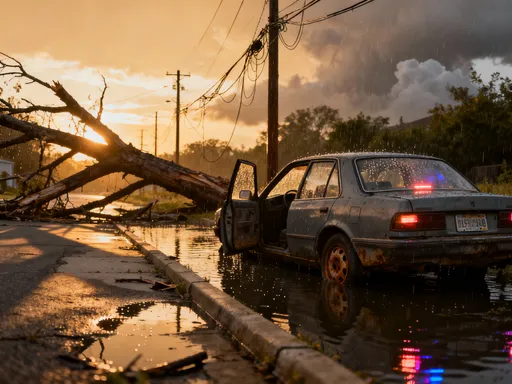
Natural disasters strike without warning—floods, wildfires, hurricanes. When they do, your home and health aren’t the only things at risk. I’ve seen families lose everything, not just to the storm, but to poor financial planning. It’s not just about insurance or emergency funds. It’s about how you assess the risks before disaster hits. That gap between feeling safe and actually being safe? That’s where your finances either hold strong or fall apart. Many believe they’re protected because they have savings or a homeowners policy, only to find out too late that their coverage doesn’t extend to flood damage or prolonged displacement. Financial resilience isn’t built in a crisis—it’s built long before one arrives.
The Hidden Financial Threat of Natural Disasters
Natural disasters are not only environmental catastrophes but also financial turning points that can unravel years of careful budgeting and wealth accumulation. While headlines focus on damaged homes and rescue operations, the long-term economic consequences for individuals often go underreported. A hurricane may wash away a house, but it can also wipe out retirement savings, trigger job loss, and lead to overwhelming debt. Unlike stock market downturns, which affect broad populations but allow time to react, natural disasters strike suddenly and locally, leaving little room for adjustment. The financial impact is immediate and deeply personal.
One of the most overlooked aspects is the misconception that insurance fully covers disaster-related losses. In reality, standard homeowners insurance policies typically exclude damage from floods and earthquakes. These require separate policies, which many people either cannot afford or do not realize they need until it’s too late. Even when coverage exists, high deductibles—sometimes calculated as a percentage of the home’s value—can leave policyholders responsible for tens of thousands of dollars in out-of-pocket costs. Moreover, claims processing delays can stretch for months, creating cash flow crises for families already grappling with displacement and lost income.
Another hidden risk is the depreciation of property value after repeated disasters. Homes in high-risk zones may become difficult to sell or refinance, trapping owners in a financial limbo. In some coastal areas, insurers have pulled out entirely due to rising climate risks, leaving residents unable to secure coverage at any price. This shift transforms real estate from a long-term asset into a potential liability. The result? Families who once believed they were building generational wealth suddenly face mounting financial strain with no clear path to recovery. Recognizing these realities is the first step toward building a financial strategy that accounts for both expected and unexpected threats.
Why Standard Emergency Funds Fall Short
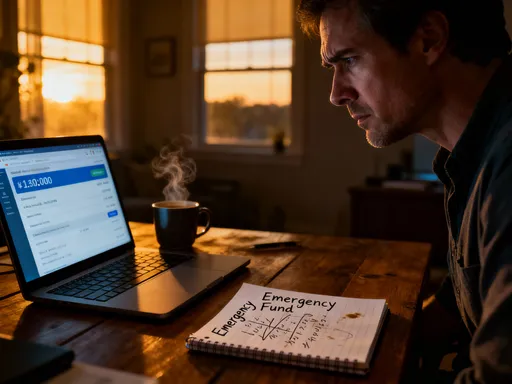
The conventional financial advice of maintaining a 3–6 month emergency fund is sound under normal circumstances, but it often fails to meet the demands of a natural disaster. Typical emergencies—like a car repair or medical bill—usually involve one-time expenses. In contrast, disasters create ongoing financial pressures that can last weeks or even months. Consider a family forced to evacuate due to a wildfire: they face not only temporary housing and food costs but also transportation, pet care, and possible relocation of children’s schooling. These recurring expenses quickly deplete even well-funded savings accounts.
In regions prone to seasonal disasters, such as hurricane-prone Gulf Coast communities or wildfire-affected areas in the western United States, residents may experience multiple disruptions in a single year. Each event drains resources, making it difficult to rebuild savings between crises. Additionally, access to those funds becomes a critical issue when power and internet outages shut down ATMs, banks, and online payment systems. Without physical cash on hand, people may be unable to purchase essentials or pay for last-minute travel, even if their accounts are fully funded. This highlights a crucial flaw in traditional emergency planning: liquidity during a crisis is just as important as the amount saved.
Another overlooked factor is income disruption. While a typical emergency might allow someone to continue working remotely or return to their job quickly, a natural disaster can shut down entire industries. A restaurant worker in a flooded downtown area may not be able to return to work for weeks, and without employer-sponsored paid leave, their income stops entirely. Similarly, self-employed individuals who rely on local customers—like landscapers, tutors, or home repair contractors—may see their businesses grind to a halt. These prolonged income gaps expose the limitations of a generic emergency fund and underscore the need for a more targeted, disaster-aware financial buffer.
To truly prepare, families must redefine what constitutes an emergency. This means calculating not just monthly living expenses but also estimating evacuation costs, temporary relocation needs, and potential income loss. For example, someone living in a flood zone might determine that a two-week displacement could cost $5,000 in lodging, meals, and transportation alone. Adding three months of lost income could bring the total to $15,000 or more. This kind of scenario-based planning moves beyond general guidelines and creates a realistic picture of what’s needed to survive a major disruption. Only then can savings be aligned with actual risk.
Mapping Your Personal Risk Landscape
Effective financial preparedness begins with understanding the specific threats posed by your geographic location. Risk is not uniform across the country, and treating it as such leads to either over-preparation or dangerous complacency. A homeowner in coastal Louisiana faces a very different set of challenges than one in drought-prone Arizona or earthquake-vulnerable Oregon. Recognizing these differences allows for smarter, more efficient allocation of financial resources. The goal is not to live in fear, but to replace uncertainty with knowledge.
Publicly available tools can help individuals assess their exposure. The Federal Emergency Management Agency (FEMA) offers flood maps that show flood zones based on historical data and topography. These maps indicate whether a property lies in a high-risk area, which directly affects insurance requirements and premiums. Similarly, wildfire risk scores provided by state agencies or environmental organizations can show the likelihood of fire in a given region based on vegetation, weather patterns, and past incidents. Earthquake hazard maps, developed by the U.S. Geological Survey, highlight fault lines and seismic activity levels. These resources, while not predictive, offer valuable insight into long-term risk trends.
It’s important to interpret this data in the context of personal circumstances. For instance, a home just outside a designated flood zone may still be vulnerable if it sits near a river or in a low-lying area. Local drainage issues, outdated infrastructure, or changes in land use can increase risk even when official designations suggest safety. Likewise, climate change is altering historical patterns, making past data less reliable. Areas once considered low-risk for hurricanes or wildfires are now experiencing more frequent and intense events. This evolving landscape means that risk assessment should not be a one-time task, but an ongoing process updated regularly.
Armed with accurate information, individuals can make informed decisions about insurance, savings, and home modifications. Someone in a high-wind area might invest in storm shutters or roof reinforcement, reducing both risk and insurance costs. A family in a wildfire zone might create defensible space around their home and store important documents in fireproof containers. These actions are not just about physical safety—they are financial decisions that reduce potential losses. By mapping their personal risk landscape, households can shift from reactive panic to proactive planning, ensuring their financial strategy is grounded in reality rather than assumption.
Insurance: The Fine Print That Could Break You
Insurance is often viewed as a safety net, but its effectiveness depends entirely on the details of the policy. Too many people discover too late that their coverage does not match their expectations. Standard homeowners insurance typically covers damage from fire, windstorms, and vandalism, but excludes floods and earthquakes. This means that a hurricane’s wind damage may be covered, but the resulting floodwater entering the basement is not. To protect against such gaps, separate flood and earthquake policies are necessary—but these often come with waiting periods of 30 days or more, making last-minute purchases ineffective.
Even with additional coverage, policyholders may face unpleasant surprises. Many flood insurance policies have coverage limits that fall short of full home replacement costs, especially in high-value areas. Deductibles can be substantial, and some policies require proof of elevation certificates or other documentation to qualify for certain rates. Furthermore, insurers may deny claims if they determine that damage resulted from poor maintenance or gradual deterioration rather than a sudden event. For example, mold growth following a storm may be deemed a maintenance issue, leaving the homeowner responsible for remediation costs.
Another critical issue is the rising cost of premiums in high-risk areas. After repeated claims or increased risk assessments, insurers may raise rates significantly or choose not to renew policies at all. In some regions, this has led to a reliance on state-backed insurance programs, which, while available, may offer less comprehensive coverage or higher costs in the long run. This instability makes long-term financial planning difficult, as families cannot count on consistent access to affordable protection.
Understanding the fine print is not optional—it is a fundamental part of financial responsibility. Policyholders should review their coverage annually, ask questions about exclusions, and request itemized lists of what is and isn’t covered. It’s also wise to keep records of home improvements, as upgrades like reinforced roofs or sump pumps can qualify for discounts and strengthen claims. By treating insurance as a dynamic part of financial planning rather than a set-it-and-forget-it expense, individuals can avoid devastating financial setbacks when disaster strikes.
Building a Disaster-Resilient Financial Plan
True financial resilience requires more than savings and insurance—it demands a comprehensive strategy that anticipates the breakdown of normal systems. When a disaster hits, banks may be closed, internet connections down, and access to accounts restricted. A resilient financial plan prepares for these disruptions by ensuring that critical resources are accessible, protected, and diversified. This means going beyond digital records and relying on a mix of physical and electronic safeguards.
One essential step is securing important documents. Birth certificates, social security cards, property deeds, insurance policies, and wills should be stored in a fireproof and waterproof safe at home, with copies kept in a secure off-site location such as a safety deposit box or trusted relative’s home. Digitizing these documents and storing them in encrypted cloud storage adds another layer of protection. A portable financial kit—containing printed copies of key information, contact numbers, and a list of account details—can be invaluable during evacuation.
Liquid cash is another critical component. ATMs and credit card machines may not function during power outages, so having a small amount of physical currency in a secure but accessible place can cover immediate needs. Financial experts often recommend keeping $200–$500 in small bills for this purpose. Additionally, establishing a line of credit before a disaster occurs—such as a home equity line of credit (HELOC) or personal loan pre-approval—provides access to funds when savings are depleted. These tools should be set up while credit is still strong and income stable, not after a crisis has damaged financial standing.
Income continuity is equally important. In today’s digital economy, remote work options can allow individuals to maintain earnings even when displaced. Exploring flexible job opportunities or developing side income streams that can operate from any location adds financial flexibility. For example, a freelance writer, virtual assistant, or online tutor can continue working with minimal disruption. Even traditional workers can discuss remote options with employers as part of disaster preparedness. The goal is to reduce dependency on a single income source tied to a physical location.
Finally, practicing financial drills can improve readiness. Just as families conduct fire drills, they can simulate a financial disruption—such as losing access to bank accounts for a week—and assess how they would manage. This exercise reveals gaps in preparation and builds confidence in the plan. A disaster-resilient financial strategy is not about perfection, but about creating enough flexibility to withstand unexpected shocks.
Community and Infrastructure: The Bigger Picture
While individual preparation is vital, financial resilience is also shaped by broader community and infrastructure factors. When roads are impassable, power is out for days, and local banks are closed, even the most prepared household faces challenges. The speed and success of financial recovery often depend on the strength of public systems and social networks. Communities with reliable emergency services, accessible shelters, and functioning communication networks enable faster return to normalcy, reducing the duration of financial strain.
Public assistance programs, such as FEMA aid or Small Business Administration loans, can provide crucial support, but access varies by location and bureaucracy. In well-resourced areas, these programs may be efficiently administered, offering timely help. In underfunded or rural communities, delays and red tape can stretch recovery timelines, forcing families to rely longer on personal savings or credit. This disparity underscores how socioeconomic factors influence financial outcomes after a disaster. Those with fewer resources face longer paths to recovery, increasing the risk of long-term debt or displacement.
Local infrastructure also plays a critical role. Areas with robust internet connectivity allow residents to file insurance claims, apply for aid, and work remotely. In contrast, regions with spotty service or outdated banking systems may leave people isolated. The presence of community organizations, mutual aid groups, and faith-based networks can fill gaps in formal support, offering everything from temporary housing to emotional support. These informal systems, while not financial tools per se, reduce the overall burden on household budgets.
Recognizing this interdependence encourages a broader view of risk management. Advocating for improved infrastructure, supporting local resilience initiatives, and participating in neighborhood preparedness efforts are not just civic duties—they are financial investments. Stronger communities mean faster recovery, which translates into less financial damage for individuals. By engaging beyond the household level, families can help build a more stable environment that supports long-term financial security.
Reassessing Normal: Financial Planning for a Changing Climate
Climate change is altering the frequency and intensity of natural disasters, making historical patterns less reliable predictors of future risk. Events once considered rare—like 100-year floods or catastrophic wildfires—are now occurring with increasing regularity. This shift demands a reevaluation of what constitutes “normal” in financial planning. Relying on past experience or outdated risk models is no longer sufficient. Instead, families must adopt a forward-looking, adaptive approach that treats disaster preparedness as an ongoing process, not a one-time checklist.
Integrating risk assessment into annual financial reviews is a practical way to maintain resilience. Just as people review retirement contributions, insurance coverage, and budget goals each year, they should also evaluate their exposure to natural disasters. This includes checking updated flood maps, reviewing insurance policies for changes, and adjusting emergency funds based on current risk levels. For those considering relocation, understanding long-term climate projections can inform decisions about where to live and invest.
Financial institutions and advisors are also beginning to incorporate climate risk into their models, recognizing that physical threats can affect asset values and loan performance. Homebuyers are increasingly asking about flood history and insurance costs, and lenders are factoring climate exposure into mortgage approvals. These shifts reflect a growing awareness that environmental stability is tied to financial stability.
The ultimate goal is to normalize preparedness. Rather than waiting for a disaster to prompt action, individuals can build resilience into everyday financial habits. This means saving with purpose, insuring with clarity, and planning with foresight. True financial security is not just about surviving market volatility—it’s about being ready for whatever the earth may bring. In a world of increasing uncertainty, the most valuable asset is not money itself, but the peace of mind that comes from knowing you are prepared.