Mind Over Money: How I Mastered My Investment Mindset to Grow Wealth
Ever felt your heart race after checking your portfolio? I’ve been there—watching markets swing, making impulsive calls, then regretting them. It hit me: success isn’t just about picking stocks, but mastering your mind. This is my journey from emotional reactions to clear-headed investing, packed with real shifts that changed everything. If you’re chasing higher returns but stuck in doubt or fear, this might be the breakthrough you need. Financial growth isn’t only shaped by numbers on a screen; it’s deeply influenced by the quiet battles within. The way we think, react, and endure uncertainty often determines long-term outcomes more than any single investment choice. This is not a story of overnight riches, but of gradual transformation—of learning to lead with discipline over emotion, clarity over chaos.
The Wake-Up Call: When Emotions Hijacked My Portfolio
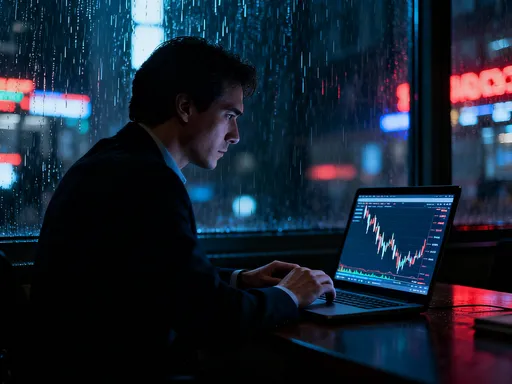
It started with a single decision made in the heat of the moment—a decision that cost more than just money. I had built a modest portfolio over several years, carefully selecting funds and holding a mix of index-based and dividend-paying assets. Then, during a period of sharp market volatility, I watched my account value dip by nearly 15 percent over a few weeks. The numbers blinked red on my screen, and something inside me tightened. Fear, disguised as urgency, whispered that I needed to act—now. Without pausing to reassess my long-term goals or revisit my original strategy, I sold a significant portion of my holdings. I told myself I was being prudent, protecting what I had. But in truth, I was reacting to emotion, not evidence.
Within months, the market rebounded. By the time I worked up the courage to reinvest, prices had climbed well beyond where they were before my sell-off. I had locked in losses and missed the recovery—exactly the opposite of what disciplined investing demands. That experience wasn’t just financially painful; it was a wake-up call. I realized I had fallen into one of the most common psychological traps: loss aversion. Research shows that the pain of losing is psychologically about twice as powerful as the pleasure of gaining. This bias made me hypersensitive to short-term drops, blinding me to the bigger picture. At the same time, I had also struggled with its counterpart—FOMO, or the fear of missing out. Earlier in my journey, I had poured money into a trending sector after seeing headlines about rapid gains, only to watch it stall and underperform for years. I had swung between greed and fear, two extremes that eroded my confidence and my capital.
What I came to understand was that the market didn’t defeat me—it exposed me. The fluctuations were normal, even expected. But my inability to tolerate discomfort led to self-sabotage. I wasn’t managing investments; I was managing anxiety. And until I addressed the root cause, no financial strategy would hold. This realization marked the beginning of a deeper journey—not just into finance, but into the mind of an investor. I began to see that building wealth isn’t solely about choosing the right assets. It’s about cultivating the right mindset to stay with those choices through uncertainty, doubt, and inevitable downturns.
The Hidden Engine of Returns: Why Mindset Matters More Than Metrics
If two investors follow the same strategy, access the same information, and invest the same amount, why do their outcomes often differ? The answer lies not in spreadsheets or stock picks, but in self-control. Over time, I discovered that psychological discipline is the hidden engine of long-term returns. Knowledge matters, yes—understanding diversification, asset allocation, and compound growth is essential. But without emotional regulation, even the best strategies collapse under pressure. Consider two investors during a market crisis: one panics and sells at the bottom, locking in losses; the other stays the course, allowing their portfolio to recover. Identical portfolios, divergent results—all because of mindset.
I began to draw parallels between investing and other long-term endeavors. Think of it like sailing across an ocean. You can have the best boat, the most accurate map, and the latest navigation tools. But when a storm hits, it’s not the equipment that determines survival—it’s the captain’s calm, their ability to trust the plan despite the chaos around them. Markets, like seas, are inherently unpredictable. Volatility is not a flaw in the system; it’s part of the system. Those who succeed aren’t necessarily smarter or luckier—they’re more resilient. They’ve trained themselves to see temporary drops not as disasters, but as part of the journey.
Studies in behavioral finance confirm this. Investors who trade frequently, driven by emotion or the urge to “do something,” often underperform those who adopt a passive, long-term approach. The cost isn’t just in transaction fees or taxes—it’s in missed opportunities and psychological burnout. I learned that wealth isn’t only grown through smart decisions, but preserved through patience. Every time I resisted the urge to react impulsively, I was compounding more than money—I was compounding confidence. The shift in perspective was profound: instead of asking, “What should I buy next?” I began asking, “Am I emotionally equipped to hold it through the rough patches?” That question became the cornerstone of my new approach.
Taming the Noise: How I Stopped Reacting to Market Drama
One of the biggest challenges I faced wasn’t the market itself—it was the constant stream of information surrounding it. Financial news, social media commentary, and real-time alerts bombarded me daily. A headline like “Markets Plummet on Inflation Fears” would flash across my phone, and within minutes, my breathing would quicken. I’d open my investment app, scan my balance, and feel the urge to make a change—any change—just to regain a sense of control. But over time, I realized this behavior wasn’t helping me invest better; it was making me worse. The noise wasn’t informing me—it was agitating me.
I decided to take back control by limiting my exposure. I turned off market alerts on my phone and stopped checking my portfolio daily. Instead, I scheduled quarterly reviews, aligning them with my broader financial planning cycle. This simple change reduced my anxiety significantly. I also set a personal rule: no trades within 72 hours of a major market event. This cooling-off period allowed emotions to settle and gave me space to assess whether a reaction was truly necessary. More often than not, I found that no action was the best action. The market’s short-term drama rarely justified long-term changes to a well-constructed plan.
I also became more selective about the sources I consumed. I shifted from sensational financial media to trusted, long-term-focused publications and educational resources. I reminded myself that headlines are designed to capture attention, not provide wisdom. A dramatic drop today doesn’t mean the economy is collapsing—it might just be a correction within a larger upward trend. By filtering out the noise, I created mental space to focus on what truly mattered: my goals, my timeline, and my risk tolerance. I began to see that staying informed doesn’t require constant monitoring. True financial awareness comes from understanding principles, not obsessing over price movements.
Building a Resilient Investment Framework: Rules, Not Reactions
With my emotional triggers identified and my information diet cleaned up, I turned to building a framework that could withstand pressure. I realized that willpower alone wasn’t enough—I needed systems. So I created a written investment plan, one that outlined my objectives, time horizon, risk tolerance, and asset allocation. This document became my anchor. Whenever uncertainty crept in, I returned to it, not to adjust it impulsively, but to reaffirm my commitment. It was like signing a contract with my future self—one that prioritized consistency over reaction.
One of the most powerful elements of this plan was defining my “why.” Why was I investing? Was it for retirement, my children’s education, or long-term financial independence? Writing down these goals gave them weight. When markets dipped, I no longer saw just numbers—I saw the future I was building. That shift in perspective made it easier to stay the course. I also formalized my diversification strategy, spreading investments across different asset classes—stocks, bonds, real estate, and cash equivalents—based on my risk profile. This wasn’t about chasing high returns; it was about reducing vulnerability to any single market segment.
I set clear rules for rebalancing—adjusting my portfolio back to target allocations once a year or if any asset class drifted more than 5 percent from its intended share. This mechanical approach removed emotion from the equation. I also established criteria for buying and selling: no investments without research, no exits without review. These rules didn’t guarantee profits, but they prevented reckless decisions. Over time, this framework became second nature. I stopped asking, “Should I sell because the market is down?” and started asking, “Does this change my long-term plan?” The answer was almost always no. By replacing reactions with rules, I built a structure that protected me from myself.
The Power of Patience: Letting Time Work in Silence
In a world that rewards speed, patience is underrated. Yet, in investing, it’s one of the most powerful tools. I learned this by shifting my focus from daily fluctuations to long-term trends. Instead of tracking my portfolio every week, I began reviewing it annually. This simple change transformed my relationship with money. I stopped seeing my investments as a scorecard and started seeing them as a slow-growing garden—something that needed time, care, and protection from interference.
Compounding, the quiet force behind wealth accumulation, only works when left undisturbed. A dollar invested wisely today can grow significantly over decades, not because of sudden spikes, but because of consistent growth reinvested over time. I studied historical market patterns and saw a clear pattern: periods of decline were followed by recovery, and those who stayed invested through both benefited the most. Timing the market—trying to buy low and sell high—is notoriously difficult, even for professionals. But time in the market? That’s accessible to anyone with patience.
I began to appreciate the calm confidence that comes from holding quality assets over time. There’s a certain peace in knowing your investments are aligned with a long-term vision, not short-term noise. I stopped measuring success by quarterly returns and started measuring it by progress toward goals. Did my portfolio still support my retirement timeline? Was my risk level still appropriate? These were the questions that mattered. And by focusing on them, I reduced stress and improved outcomes. Patience didn’t make me rich overnight, but it allowed me to grow wealth steadily, without the emotional toll of constant decision-making.
Learning from Mistakes: Turning Losses into Mental Gains
No journey is free of missteps, and mine was no exception. I’ve made investments that underperformed, ignored warning signs, and occasionally chased trends. But what changed was how I viewed these experiences. Instead of labeling them as failures, I began treating them as data points—valuable lessons in emotional awareness and decision-making. I started keeping an investment journal, logging not just what I bought and sold, but how I felt at the time. Was I excited? Anxious? Overconfident? This practice revealed patterns I hadn’t noticed before—like how I tended to take bigger risks after a period of gains, or how fear spiked after negative news cycles.
By documenting these moments, I developed greater self-awareness. I could look back and see the emotional triggers that led to poor choices. This wasn’t about self-judgment; it was about self-improvement. I revised my rules based on these insights, strengthening my framework. For example, after realizing I was prone to FOMO, I added a rule: no investment without a 30-day research period. This forced me to slow down and evaluate objectively. Each mistake became a stepping stone, refining my process and deepening my discipline.
I also learned to separate outcome from process. A bad outcome doesn’t always mean a bad decision—and a good outcome doesn’t always mean a good one. Sometimes, risky bets pay off by luck, reinforcing poor habits. Other times, sound decisions lead to short-term losses due to market randomness. What matters is the quality of the decision-making process, not just the result. This mindset freed me from overreacting to short-term results and helped me stay committed to long-term principles. Mistakes, I realized, weren’t setbacks—they were part of the curriculum of becoming a better investor.
The Calm Investor’s Advantage: Staying Steady When Others Panic
Today, when markets turn turbulent, my first reaction isn’t fear—it’s curiosity. I ask myself: Is this a temporary correction or a fundamental shift? Does it change my long-term outlook? More often than not, the answer is no. I’ve come to see downturns not as threats, but as potential opportunities—times when disciplined investors can stay the course while others flee. This calmness isn’t innate; it’s earned through experience, reflection, and the systems I’ve built.
There’s a quiet advantage in being the one who doesn’t panic. When others sell in fear, prices drop—not because the underlying value is gone, but because emotion drives behavior. This creates space for those with composure to hold firm or even invest more, if their plan allows. I don’t aim to outsmart the market; I aim to outlast it. Wealth building isn’t a sprint; it’s a marathon run at a steady pace. The finish line isn’t reached by dramatic moves, but by consistent, thoughtful choices made over years.
Looking back, the greatest return I’ve earned wasn’t financial—it was psychological. I’ve gained confidence, clarity, and peace of mind. I no longer measure my worth by my portfolio balance. Instead, I measure it by my ability to stay aligned with my goals, even when the world feels unstable. This mindset shift has transformed not just my finances, but my life. I sleep better. I worry less. I focus more on what I can control—my habits, my decisions, my perspective.
For anyone feeling overwhelmed by the ups and downs of investing, know this: you are not alone, and you are not powerless. The path to financial growth begins not with complex strategies, but with inner strength. It starts with recognizing that your mind is your most important financial asset. Master that, and the rest follows. True wealth isn’t just about the numbers in your account—it’s about the calm in your chest, the clarity in your choices, and the confidence that you’re building something lasting. That’s the real victory. That’s the power of mind over money.